Executive Summary
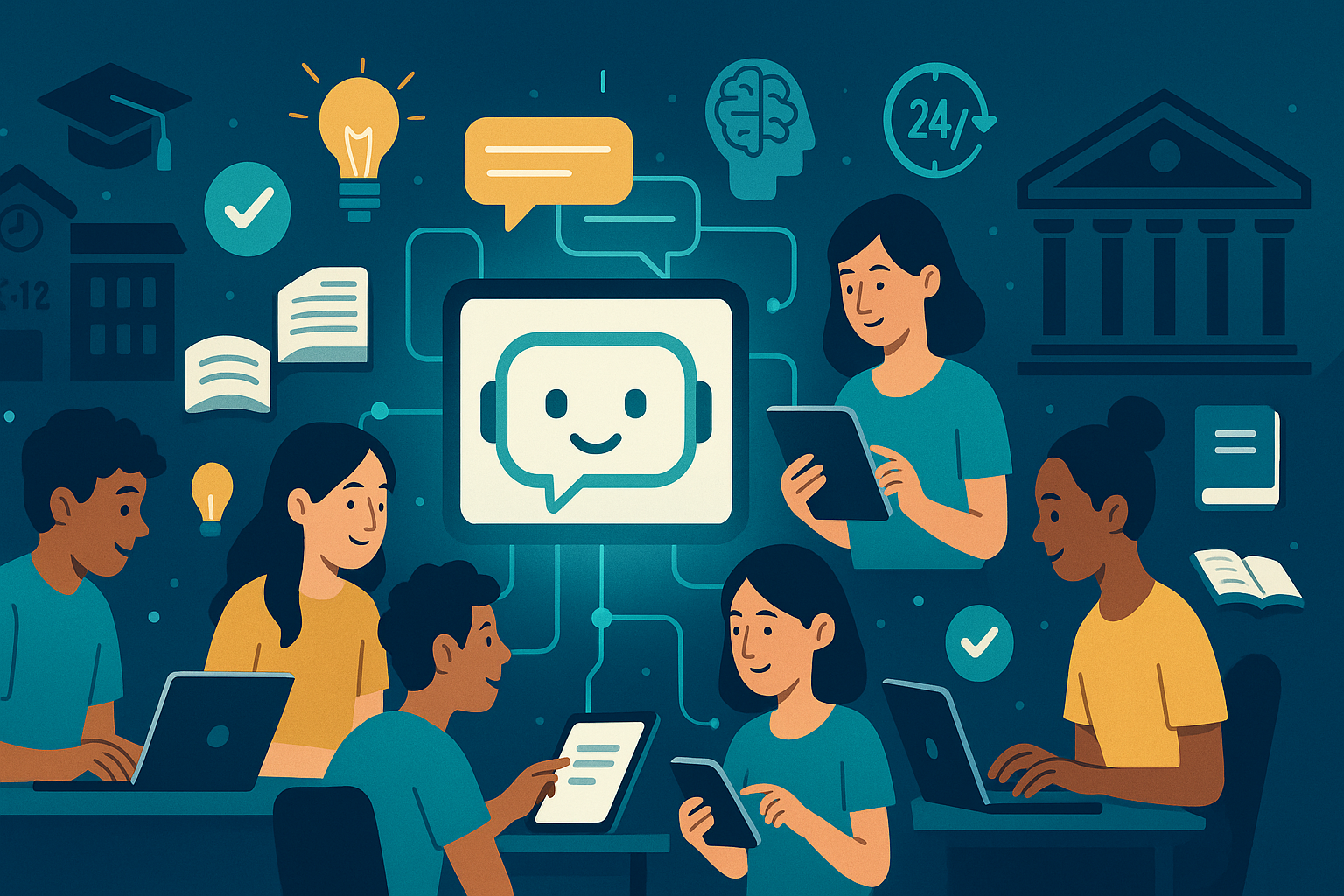
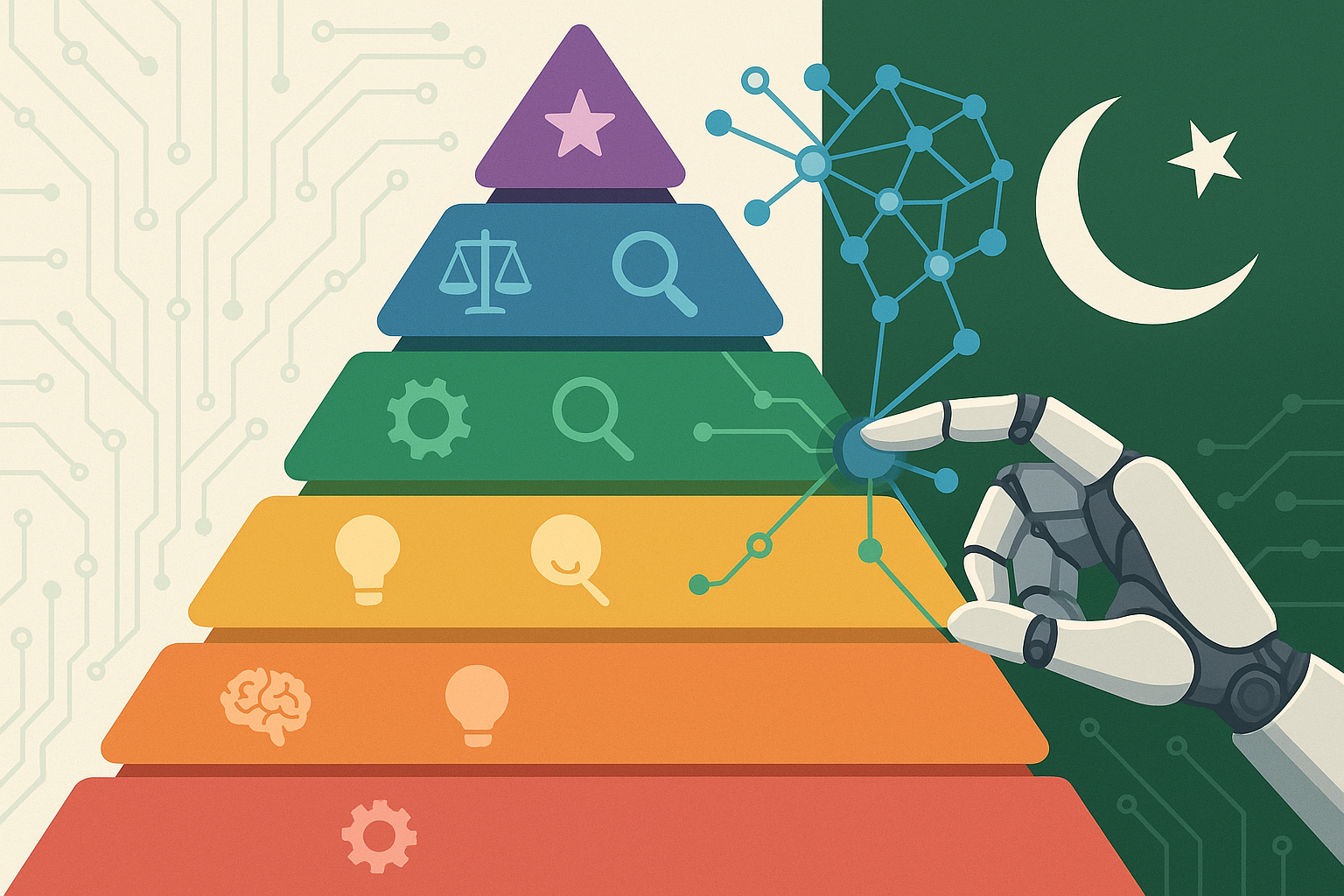
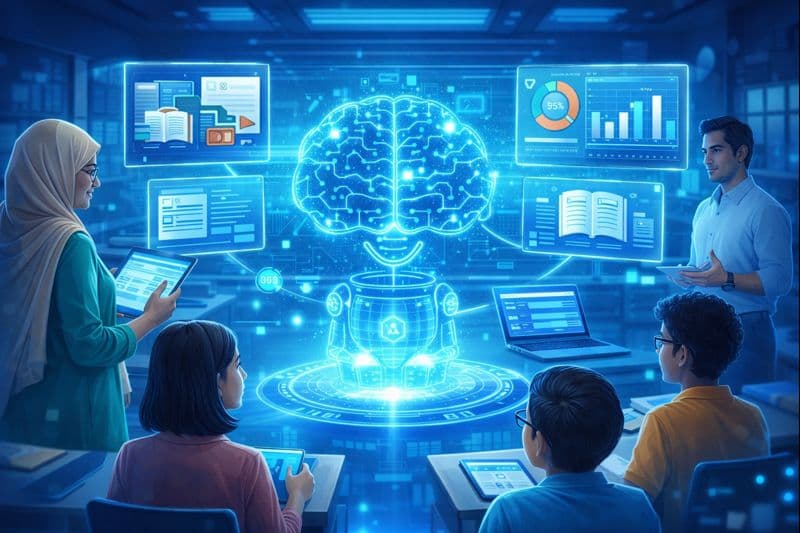
Artificial Intelligence is rapidly transforming education globally, and Pakistan is experiencing this shift with unique opportunities and challenges. This report examines the current state of AI adoption in Pakistani education, its impact on teachers and students, and projections for the future.
Key Findings
- 📈 45% of urban Pakistani schools have adopted at least one AI tool
- ⏱️ Teachers using AI save an average of 8 hours per week on planning
- 📚 Student engagement increases by 35% with AI-assisted content
- 💰 EdTech investment in Pakistan reached $50 million in 2024
---
The Current State of AI in Pakistani Education
Adoption Rates by Region
| Region | AI Tool Adoption | Primary Use Case |
| Punjab | 52% | Lesson Planning |
| Sindh | 38% | Assessment |
| KPK | 31% | Content Creation |
| Balochistan | 18% | Resource Access |
| Islamabad | 68% | Multiple |
Most Used AI Tools
- 1Lesson Plan Generators (PakEdX, etc.) - 67%
- 2Quiz and Assessment Tools - 58%
- 3Translation Tools - 45%
- 4Content Summarizers - 34%
- 5Chatbots for Q&A - 23%
---
How AI is Helping Pakistani Teachers
1. Automated Lesson Planning
AI lesson plan generators like PakEdX are saving teachers significant time:
Before AI:- 2-4 hours per lesson plan
- Manual curriculum alignment
- Limited activity variety
- Time-consuming updates
- 10-15 minutes per lesson plan
- Automatic SNC alignment
- Diverse activity suggestions
- Instant modifications
2. Personalized Assessment
AI enables:
- Adaptive difficulty based on student performance
- Instant grading and feedback
- Identification of learning gaps
- Customized practice problems
3. Multilingual Support
AI tools help bridge language barriers:
- English to Urdu translation
- Regional language support
- Simplified explanations
- Vocabulary assistance
---
Case Studies
Case Study 1: Government Girls High School, Lahore
Challenge: Teachers spending 15+ hours weekly on lesson planning Solution: Implemented PakEdX for AI lesson generation Results:- 70% reduction in planning time
- 25% increase in interactive activities
- Improved SNC compliance
- Higher teacher satisfaction
Case Study 2: Private School Network, Karachi
Challenge: Inconsistent assessment quality across branches Solution: AI-powered assessment generation Results:- Standardized assessment difficulty
- 90% reduction in question creation time
- Better learning outcome tracking
- Data-driven curriculum improvements
---
Benefits and Challenges
Benefits of AI in Pakistani Education
| Benefit | Impact |
| Time Savings | 8+ hours/week for teachers |
| Curriculum Alignment | 95% SNC compliance |
| Content Quality | Pedagogically sound materials |
| Accessibility | Resources for remote areas |
| Cost Reduction | Lower material production costs |
Challenges to Address
- 1Digital Divide: Not all schools have internet access
- 2Training Needs: Teachers need AI literacy training
- 3Quality Control: AI content requires human review
- 4Cultural Context: Some AI tools lack local relevance
- 5Cost Concerns: Premium features may be expensive
---
Future Projections (2025-2030)
Short-term (2025)
- 60% of urban schools using AI tools
- Integration of AI in teacher training programs
- Government AI education initiatives
Medium-term (2027)
- AI-powered personalized learning paths
- Virtual tutoring systems
- Automated administrative tasks
- AI in standardized testing
Long-term (2030)
- AI-human collaborative teaching
- Predictive learning analytics
- Virtual reality integration
- Universal digital literacy
---
Recommendations
For Teachers
- 1Start Small: Begin with one AI tool (e.g., lesson planning)
- 2Stay Updated: Follow EdTech developments
- 3Share Knowledge: Train colleagues
- 4Maintain Human Touch: Use AI as assistant, not replacement
For Schools
- 1Invest in Infrastructure: Ensure internet connectivity
- 2Provide Training: Organize AI literacy workshops
- 3Pilot Programs: Test tools before full implementation
- 4Measure Impact: Track student outcomes
For Policymakers
- 1Develop Guidelines: Create AI in education framework
- 2Fund Innovation: Support EdTech startups
- 3Bridge Gaps: Focus on rural digitalization
- 4Ensure Quality: Establish AI content standards
---
Conclusion
AI is not replacing Pakistani teachers—it's empowering them. By automating routine tasks, AI allows educators to focus on what they do best: inspiring and mentoring students. The key is thoughtful implementation that considers local needs, provides adequate training, and maintains the human element in education.
Ready to join the AI revolution? Try PakEdX free and experience AI-powered teaching firsthand.---
Sources
- 1Pakistan Ministry of Education Statistics 2024
- 2World Bank EdTech Report
- 3HEC Digital Transformation Survey
- 4PakEdX User Analytics
- 5McKinsey Global Education Report